Source Handmade Gold Ceramic Succulent Planter for Home, Garden, and Table
Find and compare 30 listings for a handmade gold ceramic succulent planter suitable for desktops, floors, and gardens. Buyers can review specifications like size, material, and production methods to select the right option for home furnishing or holiday decoration.
Key considerations
Products List


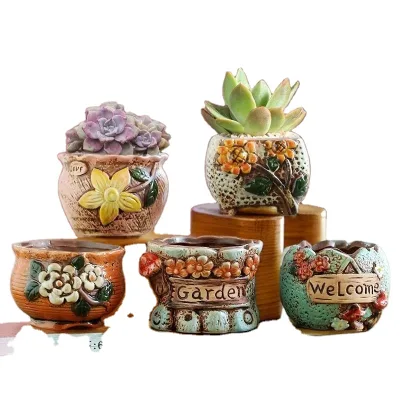
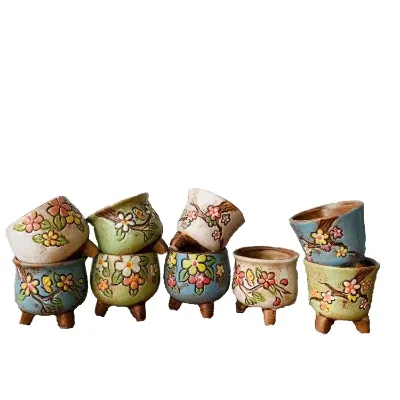
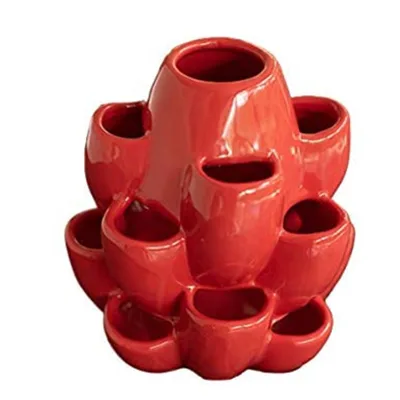
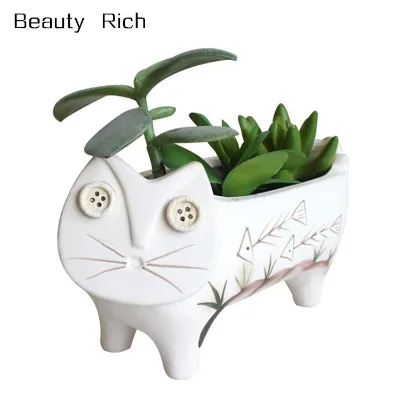
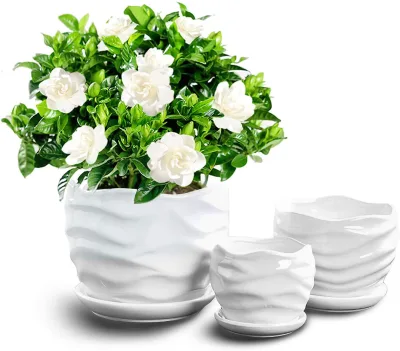
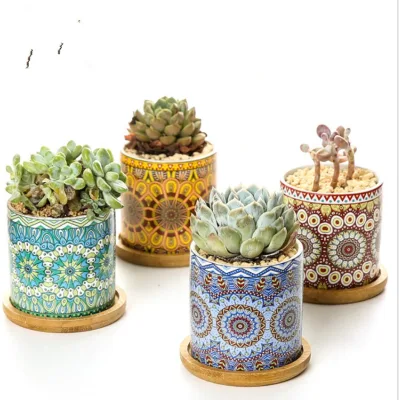
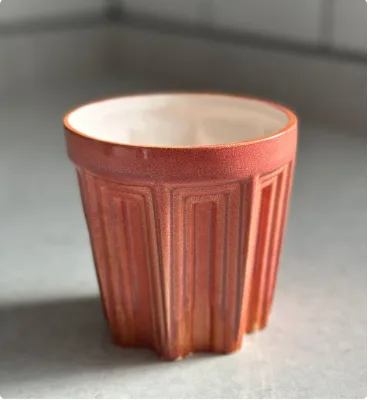


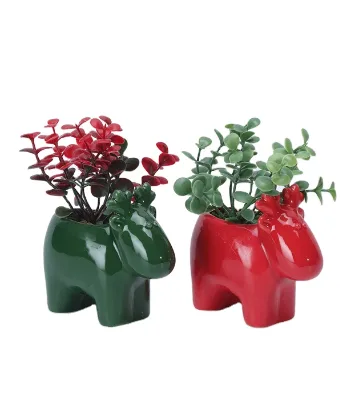

Comprehensive Sourcing Guide
Sourcing Guide for Handmade Gold Ceramic Succulent Planters
Understanding Product Variability and Material Definitions
When sourcing a "handmade gold ceramic succulent planter," buyers must first navigate the significant variance in product definitions found in the global marketplace. The term "ceramic" in this context often encompasses a broad spectrum of materials, from traditional clay bodies to iron-based composites that are ceramic-coated. In the observed supply chain, specific listings distinguish between pure ceramic items and those with iron frames, such as models labeled with "Iron" material properties alongside ceramic descriptions. This distinction is critical because the structural integrity, weight, and thermal properties of the final product differ substantially between a 100% ceramic body and a metal frame with ceramic detailing.
Furthermore, the "handmade" attribute requires careful verification. The supply data indicates that production methods range from "Pure Handmade" to "Semi-Manual Semi-Mechanical." A buyer seeking a truly artisanal product must explicitly confirm that the manufacturing process relies on manual craftsmanship rather than automated molding. The "Pure Handmade" designation often correlates with higher price points and unique variations in shape and glaze, whereas semi-mechanical processes may offer more consistency but less individual character. The "Gold" finish is another variable; while the core keyword specifies gold, the observed market data frequently lists "Blue and White" or "Brown" colorways. This suggests that "gold" may be a specific finish option rather than a universal standard, or it may refer to a metallic glaze that varies in hue depending on the firing temperature and the specific artisan's technique. Buyers should not assume all listed ceramic planters feature a gold finish unless explicitly stated in the product specification.
Technical Specifications and Dimensional Standards
Technical specifications for these planters are not uniform and often depend on the intended application scene, such as "Desktop," "Floor Type," or "Garden." The observed data reveals a wide range of sizes, from compact units measuring 6cm by 1 piece to large floor-standing models with dimensions reaching H: 54cm and W: 68cm. The "Medium" and "Large" size classifications are relative and must be cross-referenced with specific dimensional data provided by the supplier. For instance, a planter intended for a desktop setting typically requires a smaller footprint, while those designed for "Home Gardening" or "Garden" applications often necessitate larger volumes to support root systems and ensure stability.
The standard dimensions observed include specific measurements like 26x15cm for certain models and larger configurations for floor types. Buyers must verify the "Single package size" and "Single gross weight" to ensure logistics feasibility. A planter with a gross weight of 1.500 kg for a small 25x15x5 cm package indicates a dense material composition, which is typical for high-quality ceramic or iron-ceramic hybrids. The "Round" shape is a common attribute, but the "Multifunctional" design capability suggests that some units may serve dual purposes, such as acting as a decorative vase or a storage container in addition to holding plants. The "Polyfoam and Carton" or "Carton" packing methods are essential for protecting the fragile ceramic or glazed surfaces during transit, especially for items with intricate "Antique" or "Traditional" styles that may have protruding elements.
Compliance, Certification, and Production Standards
Compliance and certification checks are vital when sourcing from international markets, particularly given the diverse origins of these products. The supply data indicates that some suppliers operate with "BSCI" certification, which addresses social compliance and labor standards. While "ISO 9001:2015" and "ISO 14001:2015" are mentioned in background contexts, they should not be assumed as guaranteed attributes for every listing unless explicitly confirmed by the supplier. Buyers must treat these certifications as verification points rather than inherent features of the product category.
The "Fob Port" of Ningbo is a specific logistical detail observed in the data, indicating a primary shipping hub for certain manufacturers. This location influences lead times and freight costs. Additionally, the "Lead Time" for production can vary significantly, with observed ranges extending from 45 to 60 days for larger orders. This duration is often tied to the "Pure Handmade" nature of the production, which requires more time for drying, firing, and glazing than semi-mechanical processes. Buyers should also verify the "OEM/ODM" acceptability, as this determines the flexibility for custom branding or design modifications. The "Sample Charge" being listed as "Free" in some instances is a positive indicator for initial quality assessment, but buyers must confirm if shipping costs for samples are covered or if they are the responsibility of the purchaser.
Cost Drivers and Pricing Dynamics
The pricing structure for handmade gold ceramic succulent planters is influenced by several key factors, including material composition, production method, and order volume. The observed price range in the market spans from $0.44 to $402, a disparity that reflects the difference between mass-produced, semi-mechanical items and high-end, pure handmade artisanal pieces. The "MOQ" (Minimum Order Quantity) is another critical cost driver, ranging from as low as 3 pieces to 1000 pieces. Suppliers with lower MOQs, such as those requiring only 3 pcs, often cater to small businesses or individual buyers but may have higher unit costs. Conversely, suppliers with an MOQ of 300 PCS or higher typically offer more competitive pricing per unit but require a larger capital commitment.
The "Antique" and "Traditional" styles often command a premium due to the labor-intensive finishing processes required to achieve the desired aesthetic. The "Glazed" finishing method adds value but also increases production time and cost. Buyers should be aware that the "Gold" finish, if it involves hand-painting or specialized firing techniques, will likely increase the unit price compared to standard glazes. Additionally, the "Production Method" plays a significant role; "Pure Handmade" items generally carry a higher price tag due to the skilled labor involved, whereas "Semi-Manual Semi-Mechanical" items benefit from economies of scale. The "Polyfoam and Carton" packing, while essential for safety, adds to the overall cost and shipping weight, which must be factored into the total landed cost calculation.
Typical Applications and Design Considerations
The application scenes for these planters are diverse, ranging from "Home Furnishing" and "Dining Room" settings to "Garden" and "Hallway" spaces. The "Desktop" and "Floor Type" classifications dictate the size and stability requirements of the planter. For indoor use, such as in a "Dining Room" or "Table" setting, the planter must be aesthetically pleasing and proportional to the surrounding furniture. The "Blue and White" color scheme is a classic choice for traditional interiors, while "Brown" or "Gold" finishes may suit more modern or eclectic decor styles. The "Multifunctional" design allows these planters to be used for "Flowers/Plants" or "Green Plants," making them versatile additions to various rooms.
Holiday-specific applications are also noted, with "Christmas," "Party," and "Thanksgiving" listed as applicable occasions. This suggests that some designs may feature seasonal motifs or colors that align with these events. The "Antique" style often appeals to buyers looking for a timeless aesthetic that complements classic home decor. For outdoor or "Garden" applications, the material durability becomes paramount. While ceramic is generally suitable for indoor use, outdoor exposure requires specific glazing and firing techniques to prevent cracking due to temperature fluctuations. Buyers should verify if the "Ceramic" material is rated for outdoor use or if it is intended strictly for "Indoor" environments. The "Hande Made" attribute, when present, often implies a unique design that can serve as a focal point in any room, enhancing the overall ambiance of the space.
Supplier Evaluation and Quality Control Protocols
Evaluating suppliers for handmade ceramic products requires a rigorous approach to quality control and verification of production capabilities. Buyers should prioritize suppliers who provide detailed information about their "Production Method" and "Hande Made" status. The distinction between "Pure Handmade" and "Semi-Manual Semi-Mechanical" is crucial for maintaining the integrity of the product. Suppliers offering "OEM/ODM" services should be evaluated on their ability to maintain quality standards while customizing designs. The "BSCI" certification is a positive indicator of social compliance, but it should be complemented by checks on product quality certifications.
Quality control measures should include visual inspections for glaze consistency, structural integrity, and dimensional accuracy. The "Single gross weight" and "Single package size" data should be used to verify that the supplier's packaging standards align with the product's fragility. For "Handmade" items, slight variations in shape and color are expected, but significant deviations from the sample or specification sheet should be flagged. Buyers should request pre-shipment inspections to ensure that the "Glazed" finish is free from defects such as cracks, chips, or uneven coloring. The "Lead Time" of 45-60 days should be managed carefully to avoid delays, especially for large orders. Establishing clear communication channels with the supplier regarding the "prod_model" and "prod_standard" ensures that the final product matches the buyer's expectations.
Long-Term Procurement and Supply Chain Resilience
Long-term procurement strategies for handmade gold ceramic succulent planters should focus on building resilient supply chains and fostering strong relationships with reliable suppliers. The variability in "MOQ" and "Lead Time" suggests that buyers should plan for flexibility in their ordering schedules. Suppliers with lower MOQs may be more suitable for testing new designs or responding to fluctuating market demands, while those with higher MOQs are better for bulk purchasing and cost optimization. The "Fob Port" of Ningbo is a key logistical node, and buyers should consider the impact of shipping routes and freight costs on their overall supply chain efficiency.
Sustainability and ethical sourcing are increasingly important in the ceramic industry. Buyers should verify the "Certification" status of suppliers, looking for evidence of environmental and social responsibility. The "ISO 9001:2015" and "ISO 14001:2015" standards, while not universally present, represent best practices in quality and environmental management that buyers should seek out. The "Polyfoam and Carton" packing methods should be evaluated for their environmental impact, with a preference for recyclable or biodegradable materials where possible. Finally, maintaining a diverse supplier base can mitigate risks associated with production delays or quality issues. By carefully selecting suppliers based on their production methods, certifications, and track records, buyers can ensure a steady supply of high-quality handmade gold ceramic succulent planters that meet their specific needs and standards.
FAQs
What production methods are available for these planters?
Both pure handmade and semi-manual semi-mechanical production methods are available. Buyers seeking unique artisanal pieces should verify the pure handmade status, while those needing consistency may prefer semi-mechanical options.
Can I find these planters with BSCI certification?
Yes, some suppliers offer BSCI certification for social compliance. This certification is not universal for all listings, so buyers must explicitly confirm its presence before placing an order to ensure ethical labor standards.
What is the typical lead time for handmade orders?
The lead time typically ranges from 45 to 60 days for production. This duration accounts for the manual craftsmanship, drying, firing, and glazing processes required for pure handmade ceramic items.
Which sizes are available for desktop and floor applications?
Sizes vary from compact 6cm units to large floor models measuring 54cm in height. Desktop planters are often medium or small, while garden and floor types require larger dimensions for stability and root support.
What are the minimum order quantities for these items?
Minimum order quantities range from 3 pieces to 1000 pieces depending on the supplier. Lower MOQs suit small businesses, while higher MOQs often provide better unit pricing for bulk procurement needs.
How are these ceramic planters packaged for shipping?
Products are typically packed in polyfoam and cartons or standard cartons to prevent damage. This protective packaging is essential for fragile glazed surfaces, especially for antique or traditional styles with intricate designs.
Can suppliers accept OEM or ODM customization requests?
Yes, OEM and ODM services are acceptable for many suppliers. This allows buyers to request custom branding or design modifications, though specific capabilities should be confirmed during the sourcing negotiation process.